
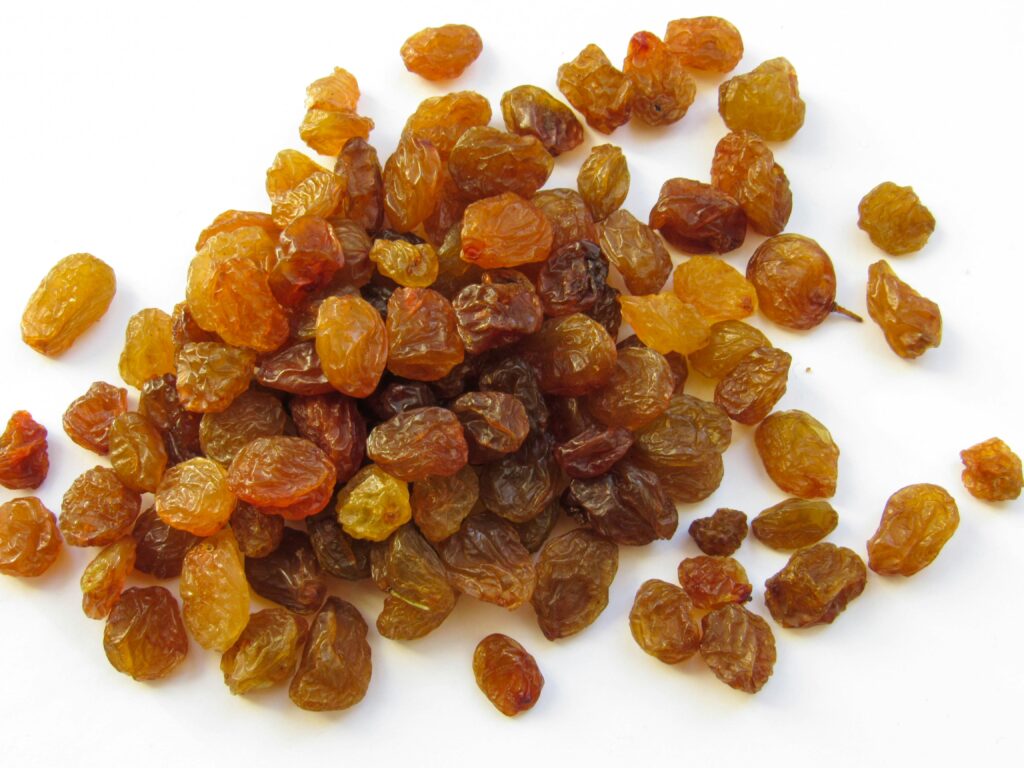
In the world of nutrition, some of the most powerful health solutions come in the smallest packages. Among these nutritional powerhouses, raisins—known in many cultures as kismis—stand out as a remarkable example of how ancient foods continue to deliver modern health benefits. These unassuming dried grapes have been nourishing civilizations for millennia, yet their full potential often goes overlooked in our contemporary search for superfoods.
As a wellness enthusiast and culinary explorer, I’ve come to appreciate raisins not just as a convenient snack, but as a genuine nutritional treasure. Through research and personal experience, I’ve discovered that these sweet morsels offer far more than just a quick energy boost—they represent a holistic approach to health that bridges traditional wisdom with scientific validation.
A Journey Through Time: The Historical Significance of Raisins
The story of raisins is as rich as their flavor. Archaeological evidence suggests that the deliberate drying of grapes dates back to ancient Mesopotamia around 2000 BCE, where early civilizations discovered that dried grapes not only preserved well but became concentrated sources of nutrition and sweetness. The Phoenicians and Egyptians further refined raisin production, with the latter using them in religious ceremonies and as offerings to their gods.
In ancient Greece, raisins were so highly valued that they served as currency in some transactions and were awarded as prizes in athletic competitions. The Romans continued this tradition, incorporating raisins into their lavish feasts and medicinal practices. As trade routes expanded, raisins traveled along the Silk Road, eventually reaching the Indian subcontinent where they became known as kismis and integrated into Ayurvedic medicine and culinary traditions.
This global journey has cemented raisins as a cultural staple across continents, with each region developing its own varieties and uses while preserving the fundamental nutritional benefits that made them valuable thousands of years ago.
The Many Faces of Raisins: Understanding Different Varieties
Not all raisins are created equal. The specific type of grape, growing conditions, and drying methods create distinct varieties with unique characteristics:
Thompson Seedless (Dark Raisins)
The most common variety worldwide, these are typically sun-dried, which gives them their dark color and robust flavor. Their versatility makes them ideal for baking, cooking, and snacking.
Golden Raisins
Made from the same grapes as dark raisins but dried in specialized dehydrators with controlled temperature and humidity. They’re often treated with sulfur dioxide to preserve their light color, resulting in a milder flavor and softer texture.
Sultanas
Primarily produced in Turkey and Australia, sultanas come from a specific variety of seedless yellow grapes. They’re typically sweeter and lighter than regular raisins, with a more delicate texture.
Currants (Zante Currants)
Despite their name, these are actually dried Black Corinth grapes. Smaller and more intense in flavor than regular raisins, they pack a tart punch that works wonderfully in baked goods and savory dishes.
Muscat Raisins
Large, dark, and intensely sweet, these come from Muscat grapes and often contain seeds. Their complex flavor profile makes them particularly valued for culinary applications.
Each variety offers slightly different nutritional benefits, allowing consumers to choose based on both taste preferences and health objectives.
Nutritional Power in a Tiny Package: The Science Behind Raisins
The transformation from grape to raisin represents one of nature’s most efficient nutrient concentration processes. As grapes lose water during drying, their vitamins, minerals, and antioxidants become more densely packed, creating a nutritional profile that rivals many modern superfoods.
Macronutrient Composition
A typical 100-gram serving of raisins contains approximately 299 calories, primarily from natural sugars (about 79 grams). While this might seem high, it’s important to understand that these are natural fructose and glucose, accompanied by fiber that moderates their absorption. This same serving provides about 3.7 grams of fiber—roughly 15% of the daily recommended intake—along with minimal fat and about 3 grams of protein.
Mineral Wealth
Raisins are particularly rich in essential minerals:
- Potassium: With around 749 mg per 100 grams, raisins are an excellent source of this crucial electrolyte that supports heart function, nerve transmission, and fluid balance.
- Iron: Providing approximately 1.9 mg per serving, raisins offer a plant-based source of this oxygen-transporting mineral, making them valuable for vegetarians and those with anemia.
- Boron: This trace mineral, abundant in raisins (2.2-2.7 mg per 100g), plays a vital role in bone health by improving calcium absorption and vitamin D metabolism.
- Calcium: At 50 mg per serving, raisins contribute to bone strength and muscular function.
- Copper: Essential for iron absorption and connective tissue formation, raisins provide about 0.3 mg per serving.
Vitamin Content
While not as vitamin-dense as some fruits, raisins still offer meaningful amounts of:
- B Vitamins: Particularly B6, which supports neurotransmitter production and cognitive function.
- Vitamin C: In smaller amounts, contributing to immune function and collagen synthesis.
- Vitamin K: Essential for blood clotting and bone metabolism.
Bioactive Compounds
Raisins contain various phytochemicals with demonstrated health benefits:
- Polyphenols: Including flavonoids and phenolic acids that function as powerful antioxidants.
- Tartaric Acid: Unique to grapes and their products, this compound may support digestive health.
- Resveratrol: Found in darker raisins, this compound has been linked to cardiovascular and cognitive benefits.
Beyond Sweetness: The Evidence-Based Health Benefits of Raisins
Digestive Health Enhancement
The fiber in raisins consists of both soluble and insoluble types, creating a dual-action benefit for digestion. Insoluble fiber adds bulk to stool and promotes regular bowel movements, while soluble fiber acts as a prebiotic, feeding beneficial gut bacteria. This bacterial fermentation produces short-chain fatty acids that nourish colon cells and support overall gut health. Additionally, the tartaric acid in raisins has been shown to have a mild laxative effect, further supporting regularity.
Cardiovascular Support
Multiple studies have demonstrated raisins’ potential to support heart health. The potassium content helps regulate blood pressure by counteracting the effects of sodium, while the fiber helps manage cholesterol levels. The polyphenols in raisins, particularly the dark varieties, may reduce inflammation and prevent the oxidation of LDL cholesterol—a key step in the development of atherosclerosis.
Bone Health Maintenance
The unique combination of calcium, boron, and potassium in raisins creates a synergistic effect that supports bone density. Boron, in particular, enhances the body’s ability to utilize calcium, magnesium, and vitamin D—all crucial for bone formation and maintenance. Regular consumption of raisins has been associated with improved bone mineral density in several observational studies.
Oral Health Benefits
Contrary to what one might expect from a sweet food, raisins may actually support dental health. Research suggests that certain phytochemicals in raisins, including oleanolic acid, can inhibit the growth of bacteria associated with dental cavities and gum disease. The antioxidant and anti-inflammatory properties may further protect oral tissues.
Blood Sugar Regulation
Despite their sugar content, raisins have a low to moderate glycemic index (GI), typically ranging from 49 to 64 depending on the variety. The fiber content slows digestion and sugar absorption, preventing the sharp blood sugar spikes associated with many sweet foods. Some studies have even found that regular, moderate consumption of raisins can improve glycemic control in people with diabetes.
Exercise Performance and Recovery
The natural sugars in raisins make them an excellent source of quick energy for athletes, while the potassium supports electrolyte balance during prolonged exercise. Research comparing raisins to sports gels has found them equally effective for sustaining athletic performance, with the added benefit of additional nutrients not found in processed sports nutrition products.
Soaked vs. Dry: Maximizing Nutritional Benefits
The practice of soaking raisins overnight deserves attention for its potential to enhance their health benefits:
Enhanced Nutrient Bioavailability
Soaking helps break down the raisin’s cellular structure, making nutrients more accessible for absorption. This is particularly beneficial for minerals like iron, whose absorption can be inhibited by compounds in dried fruits.
Improved Digestibility
For those with sensitive digestive systems, soaked raisins are gentler on the stomach. The soaking process begins to break down the complex fibers, reducing the likelihood of digestive discomfort.
Traditional Wisdom Meets Modern Science
Ayurvedic medicine has long recommended consuming soaked raisins, particularly on an empty stomach, to support digestion and detoxification. Modern nutritional science supports this practice, noting that hydration of dried fruits can improve their functional properties.
Practical Application
To reap these benefits, simply soak 10-15 raisins in a cup of water overnight. Consume both the raisins and the soaking water first thing in the morning for a gentle energy boost and digestive support.
Culinary Applications: Beyond the Snack Bowl
Raisins’ culinary versatility makes them easy to incorporate into a health-conscious diet:
Breakfast Enhancements
Add raisins to oatmeal, cereal, or yogurt for natural sweetness and extra nutrients. Their fiber content helps create sustained energy release throughout the morning.
Savory Applications
Raisins’ sweetness provides a beautiful counterpoint to savory dishes. Add them to rice pilafs, grain salads, or tagines for complexity and depth of flavor.
Healthy Baking
Use pureed raisins as a natural sweetener in baked goods, reducing the need for added sugars while increasing the nutritional profile.
Energy-Boosting Combinations
Pair raisins with nuts or seeds for a balanced snack that provides protein, healthy fats, and complex carbohydrates. This combination is particularly effective for sustained energy during physical activity.
Considerations and Precautions
While raisins offer numerous benefits, mindful consumption is important:
Portion Control
Due to their calorie density, moderation is key. A standard serving size is typically 1-2 tablespoons (about 30 grams), which provides benefits without excessive calorie intake.
Dental Considerations
The sticky texture of raisins means they can adhere to teeth, potentially contributing to cavities if oral hygiene is inadequate. Rinsing with water after consumption and maintaining regular dental care can mitigate this risk.
Sulfite Sensitivity
Some golden raisins are treated with sulfur dioxide as a preservative. Individuals with sulfite sensitivity should opt for unsulfured varieties, typically darker in color.
Blood Sugar Management
While generally suitable for people with diabetes in moderation, individual responses can vary. Monitoring blood sugar levels when introducing raisins can help determine appropriate portion sizes.
The Verdict: An Ancient Superfood for Modern Health
Raisins represent a perfect example of how traditional foods often contain wisdom that modern nutrition science is only beginning to fully understand. Their impressive nutrient profile, combined with centuries of traditional use and growing scientific validation, positions them as a genuine superfood worthy of inclusion in a balanced diet.
What makes raisins particularly valuable in our contemporary context is their accessibility, affordability, and versatility. Unlike many trendy superfoods that require special sourcing and command premium prices, raisins are widely available and budget-friendly, making their health benefits accessible to diverse populations.
As we continue to navigate the complex landscape of modern nutrition, the humble raisin stands as a reminder that sometimes the most powerful health solutions are those that have stood the test of time. By incorporating this ancient superfood into our modern diets, we connect with culinary traditions that span millennia while nourishing our bodies with the concentrated goodness of nature’s sweetness.
Whether enjoyed as a quick snack, incorporated into meals, or consumed as part of traditional health practices, raisins offer a simple yet powerful way to enhance overall wellness. Their story is one of enduring relevance—a testament to the timeless wisdom of nature’s pantry and the ongoing discovery of how traditional foods support human health in ways both simple and profound.