
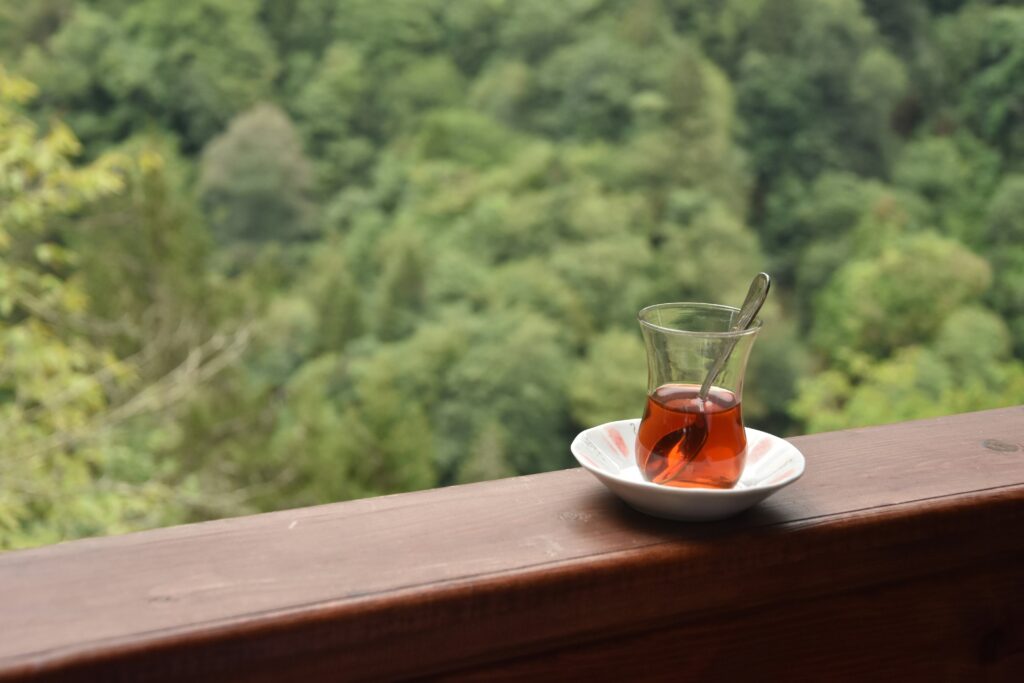
In India, tea is far more than a mere beverage—it is a daily ritual, a symbol of hospitality, and a thread that weaves through the country’s diverse cultural fabric. From the bustling chai stalls of Mumbai to the serene tea gardens of Darjeeling, India’s relationship with tea is as complex and varied as the nation itself. As the world’s second-largest tea producer, India offers an astonishing array of flavors and varieties, each with its own unique character, history, and health benefits. This comprehensive guide invites you on a sensory journey through India’s most celebrated teas, exploring not just their flavors but the stories, traditions, and wellness benefits that make each variety extraordinary.
The Cultural Tapestry of Indian Tea
Tea’s journey in India dates back to the British colonial era, but it has since evolved into something uniquely Indian. Today, India consumes about 70% of the tea it produces, with the average Indian drinking multiple cups daily. What began as a colonial import has transformed into an integral part of Indian identity—from the morning ritual that kickstarts the day to the evening comfort that brings families together. Understanding Indian tea means appreciating this cultural context, where every cup tells a story of region, tradition, and personal connection.
Darjeeling Tea: The Champagne of Teas
Nestled in the foothills of the Eastern Himalayas, Darjeeling produces what many consider the finest tea in the world. The region’s high altitude, cool climate, and distinctive soil composition create a tea unlike any other.
The Flush System: Understanding Darjeeling’s Seasons
Darjeeling’s magic lies in its seasonal variations, known as “flushes”:
- First Flush (March-April): These early spring leaves produce a light, delicate tea with floral notes and a subtle astringency. The liquor is pale golden, and the flavor is often described as “muscatel.”
- Second Flush (May-June): The most prized harvest, yielding a fuller-bodied tea with distinct muscatel character, amber liquor, and balanced flavor.
- Monsoon Flush (July-September): Stronger, darker, and less subtle, ideal for hearty breakfast blends.
- Autumn Flush (October-November): A mellow, copper-colored tea with a distinctive character.
Brewing Perfection:
Use freshly drawn water at 90-95°C (194-203°F). Steep for 3-4 minutes. Darjeeling is best enjoyed without milk to appreciate its delicate complexity. Pair with light biscuits or enjoy alone as a contemplative beverage.
Assam Tea: The Bold Heart of Indian Breakfast
From the lush Brahmaputra Valley comes Assam, the powerhouse of Indian teas. This region produces a robust, malty tea that forms the backbone of most Indian breakfast blends and the beloved masala chai.
Distinctive Characteristics:
- Full-bodied: Assam tea boasts a rich, deep flavor profile with malty notes
- Bright color: The liquor ranges from dark amber to deep reddish-brown
- High caffeine: Its strong character makes it an ideal morning wake-up call
The Art of Assam Chai:
The perfect masala chai begins with quality Assam leaves. The high tannin content stands up well to milk and sugar, while the bold flavor complements traditional spices. For authentic chai, simmer the tea leaves with crushed ginger, cardamom, and other spices for 5-7 minutes before adding milk.
Masala Chai: India’s Liquid Embrace
While Assam forms the base, masala chai represents the soul of Indian tea culture. Every family, every region, has its own recipe—a personalized blend of spices that transforms simple tea into a comforting elixir.
The Spice Spectrum:
- Ginger: Adds warmth and aids digestion
- Cardamom: Provides aromatic sweetness
- Cinnamon: Offers warmth and complexity
- Cloves: Deliver depth and numbing warmth
- Black Pepper: Adds subtle heat
- Star Anise: Contributes licorice notes
Cultural Significance:
Masala chai is more than a recipe—it’s a social ritual. The act of preparing and sharing chai represents hospitality, connection, and care. From railway platforms to corporate offices, the chai wallah (tea vendor) serves as a unifying figure in Indian society.
Nilgiri Tea: The Southern Gem
From the Blue Mountains of Tamil Nadu comes Nilgiri tea, a versatile and often underappreciated variety. The region’s unique climate allows for year-round production, resulting in a consistently excellent tea.
Flavor Profile:
- Smooth and fragrant: Nilgiri offers a gentle, approachable flavor
- Versatile: Works beautifully as iced tea and blends well with other varieties
- Fruity notes: Often described as having subtle citrus and floral undertones
Brewing Suggestions:
Nilgiri’s mild character makes it perfect for those new to Indian teas. It’s equally delightful hot or iced, and its smoothness means it rarely becomes bitter, even with longer steeping.
Green Tea: India’s Wellness Revolution
While India is famous for its black teas, the country has embraced green tea with remarkable success, particularly in regions like Kangra and parts of Darjeeling.
Health Benefits:
- Antioxidant-rich: Packed with catechins that combat oxidative stress
- Metabolic support: Can enhance fat burning and boost metabolic rate
- Cognitive benefits: Contains L-theanine, which promotes calm alertness
Indian Varieties:
- Darjeeling Green Tea: Lighter and more delicate than Chinese varieties
- Assam Green Tea: Bolder, with a distinctive character
- Kangra Green Tea: From Himachal Pradesh, with a unique floral note
Kashmiri Kahwa: The Royal Elixir
This traditional green tea preparation from Kashmir represents the height of tea luxury and wellness.
The Kahwa Experience:
Kahwa combines green tea with saffron, cinnamon, cardamom, and often almonds. Traditionally served in samovars, it’s a centerpiece of Kashmiri hospitality, especially during winter months.
Wellness Properties:
- Saffron: Mood enhancement and antioxidant benefits
- Almonds: Provide healthy fats and vitamin E
- Spices: Offer digestive and anti-inflammatory benefits
Herbal Infusions: India’s Ancient Wellness Tradition
Beyond traditional tea, India boasts a rich tradition of herbal infusions rooted in Ayurveda.
Tulsi (Holy Basil) Tea:
Considered sacred in Hinduism, tulsi offers adaptogenic properties that help the body manage stress. Its distinct aroma and slightly spicy flavor make it a beloved evening beverage.
Other Notable Herbal Teas:
- Ginger tea: For digestion and immunity
- Lemongrass tea: Refreshing and calming
- Licorice root: Sweet and soothing for the throat
The Art of Tea Selection: A Connoisseur’s Guide
Choosing the right tea involves understanding your preferences and needs:
For the Traditionalist:
Start with a high-quality Assam or Darjeeling second flush. These represent the classic Indian tea experience.
For the Wellness Seeker:
Explore green teas from Darjeeling or herbal blends incorporating traditional Ayurvedic ingredients.
For the Adventurous Palate:
Try single-estate Darjeelings to appreciate terroir differences, or experiment with artisanal blends that incorporate Indian spices and flowers.
Brewing Mastery: Techniques for the Perfect Cup
Water Quality:
Always use fresh, filtered water. The mineral content significantly impacts flavor extraction.
Temperature Matters:
- Black teas: 90-100°C (194-212°F)
- Green teas: 70-85°C (158-185°F)
- White teas: 65-80°C (149-176°F)
Steeping Time:
Respect the tea leaves—oversteeping releases excessive tannins, creating bitterness. Start with recommended times and adjust to taste.
Sustainable Tea: Supporting India’s Tea Communities
When purchasing Indian teas, consider the source. Look for:
- Fair Trade certifications: Ensuring fair wages for tea workers
- Estate-specific teas: Supporting specific gardens and communities
- Organic options: Better for the environment and often superior in quality
The Future of Indian Tea
India’s tea industry is evolving, with growing emphasis on:
- Single-estate teas: Highlighting unique terroir characteristics
- Artisanal blends: Combining traditional knowledge with modern creativity
- Wellness-focused offerings: Tapping into the growing health consciousness
- Direct trade: Creating better connections between consumers and producers
Creating Your Indian Tea Ritual
Incorporating Indian teas into your daily life offers more than just caffeine—it provides moments of mindfulness, connection, and pleasure. Whether it’s the vigorous start of an Assam morning, the contemplative pause of a Darjeeling afternoon, or the comforting embrace of evening masala chai, each tea serves a purpose beyond mere hydration.
Conclusion: A World in Every Cup
India’s tea landscape offers an incredible diversity that mirrors the country itself—vibrant, complex, and endlessly fascinating. From the sophisticated heights of Darjeeling to the robust plains of Assam, from the royal elegance of Kashmiri kahwa to the humble comfort of street-side chai, each variety tells a story of place, people, and tradition.
Exploring Indian teas is not just about tasting different flavors—it’s about experiencing different ways of being, different approaches to life, and different understandings of comfort and connection. As you explore these remarkable teas, you’re not just drinking beverages; you’re participating in centuries of tradition, supporting agricultural communities, and discovering new dimensions of flavor and wellness.
The journey through India’s teas is ultimately a journey into the heart of what makes this beverage so enduringly captivating—its ability to simultaneously comfort and excite, to ground us in tradition while inviting us to explore, and to turn the simple act of drinking into an experience of connection, mindfulness, and pure pleasure.