
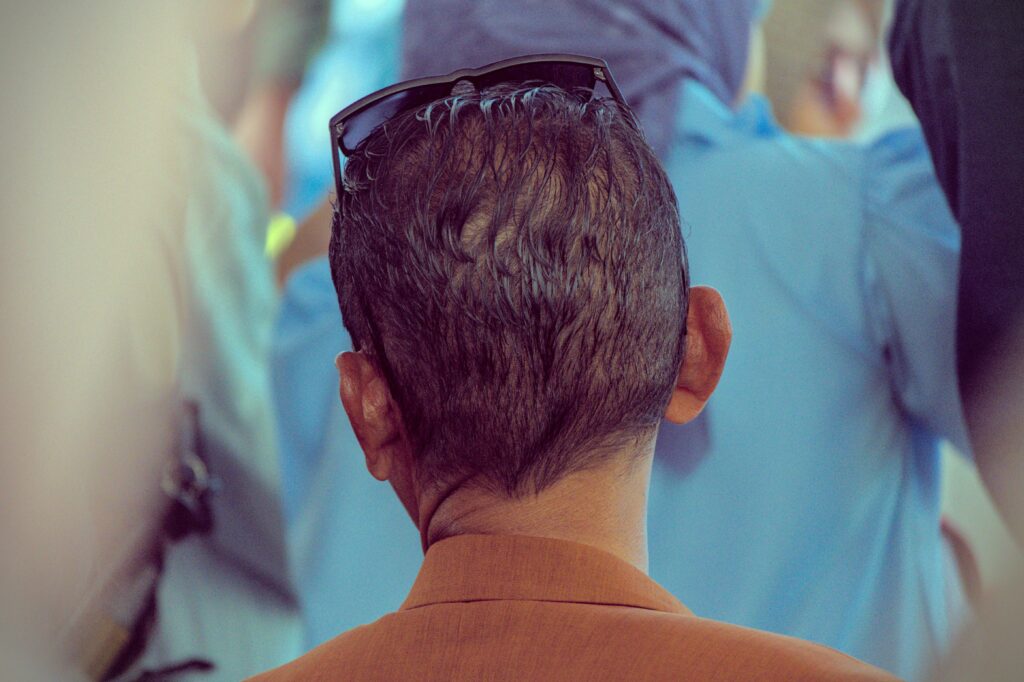
Embarking on the journey to restore your hair through a transplant is a significant decision, one filled with anticipation and hope. However, the path to a successful outcome doesn’t begin on the day of the procedure; it starts weeks in advance with meticulous preparation. Proper preparation is not merely about following a list of rules—it’s about actively participating in your own care to ensure optimal results, a smoother procedure, and a more comfortable recovery.
Understanding the “why” behind each pre-operative instruction can transform them from arbitrary rules into logical steps you are motivated to follow. This comprehensive guide will walk you through the essential steps to take and pitfalls to avoid in the days and weeks leading up to your Irvine hair transplant, empowering you to become an informed and prepared partner in your journey to hair restoration.
Laying the Foundation: The “Dos” for a Successful Procedure
Think of these steps as your active contribution to creating the ideal conditions for graft survival and healing.
1. Nutritional Preparation: Fueling for Surgery
Your body is about to undergo a minor surgical procedure, and it needs the right resources to heal effectively.
- Eat a Nutritious Breakfast: On the morning of your procedure, do not skip breakfast. A balanced meal with complex carbohydrates, lean protein, and healthy fats provides sustained energy. This helps stabilize your blood sugar, preventing lightheadedness and ensuring you remain comfortable during the lengthy process. Think oatmeal with nuts, eggs with whole-wheat toast, or a yogurt parfait.
- Hydrate Diligently: In the days leading up to your transplant, focus on drinking plenty of water. Proper hydration improves blood circulation, which is crucial for delivering oxygen and nutrients to the scalp, both during the procedure to support graft survival and afterward to facilitate healing. Aim for at least 8 glasses of water per day.
2. Logistical Planning: Reducing Day-Of Stress
Minimizing stress on the day of your procedure allows you to remain calm and allows the medical team to work efficiently.
- Arrange Reliable Transportation: The effects of local anesthesia and any prescribed sedatives or pain medications will make it unsafe for you to drive yourself home. Furthermore, the mental fatigue following a long procedure is significant. Arrange for a friend, family member, or ride-share service to drop you off and pick you up. This simple step eliminates a major source of anxiety.
- Clear Your Schedule: A hair transplant is not a quick lunchtime procedure. Depending on the number of grafts, it can take anywhere from 4 to 8 hours or more. Block out the entire day for the surgery and, ideally, the following day for rest. Do not plan to return to work, run errands, or attend social events. Your body needs to channel all its energy into healing.
3. Personal Comfort and Practicality
Small details in your preparation can significantly impact your comfort level during and after the procedure.
- Wear Appropriate Attire: Choose loose, comfortable clothing. A button-down or zip-up front shirt is paramount. You will not be able to pull a tight shirt or sweater over your head after the procedure without risking contact with, or dislodgement of, the newly placed grafts. Soft, comfortable pants and slip-on shoes are also recommended.
- Wash Your Hair Thoroughly: Your scalp should be as clean as possible to minimize the risk of infection. The night before and the morning of your surgery, wash your hair with the shampoo recommended by your clinic. Typically, this will be a mild, non-medicated shampoo. Avoid using any styling products, conditioners, or oils afterward.
4. Transparent Communication with Your Surgeon
Your surgical team is your greatest ally. Full transparency is the key to your safety.
- Disclose All Medications and Supplements: This is non-negotiable. You must provide your surgeon with a complete list of all prescription medications, over-the-counter drugs, and herbal supplements you are taking. Certain substances can increase the risk of bleeding or interact with medications used during the procedure.
- Discuss Medical Conditions: If you have any underlying health conditions, such as diabetes, hypertension, or autoimmune disorders, ensure your surgeon is fully aware. They will provide specific instructions on how to manage these conditions in relation to your surgery (e.g., how to take your insulin or blood pressure medication on the day of the procedure).
Mitigating Risks: The Critical “Don’ts” Before Surgery
These prohibitions are directly tied to minimizing complications and maximizing graft survival rates. Adhering to them is crucial for your results.
1. Avoid Blood-Thinning Agents
This is one of the most important categories of restrictions. Thinning your blood increases the risk of bleeding during surgery, which can obscure the surgeon’s view, prolong the procedure, and—most critically—compromise the survival of the delicate grafts.
- Medications to Avoid (Typically for 7-14 Days Prior):
- Aspirin and NSAIDs: Ibuprofen (Advil, Motrin), Naproxen (Aleve).
- Blood Thinners: Such as Warfarin (Coumadin) and Clopidogrel (Plavix)—only under the direct supervision of your prescribing doctor and surgeon.
- Certain Supplements: Vitamin E, Ginkgo Biloba, Garlic, Ginseng, and Fish Oil. These are known to have blood-thinning properties.
- Always consult with your surgeon before discontinuing any prescribed medication.
2. Eliminate Nicotine and Alcohol
- Stop Smoking and Nicotine Use: Nicotine is a potent vasoconstrictor, meaning it tightens blood vessels and severely reduces blood flow to the microscopic capillaries that supply the scalp. This impaired circulation starves the grafts of the oxygen and nutrients they need to “take root” and thrive, leading to poor growth and a failed outcome. It’s strongly advised to quit for at least two weeks before and after your procedure.
- Avoid Alcohol: Alcohol acts as a blood thinner and can also contribute to dehydration. It’s best to abstain from all alcoholic beverages for at least one week before your surgery to ensure your body is in an optimal state for healing.
3. Steer Clear of Caffeine
While it may be a daily ritual, caffeine should be avoided on the morning of your transplant. Like nicotine, caffeine can cause vasoconstriction and may also increase blood pressure and heart rate. This can lead to increased bleeding at the donor and recipient sites, making the surgeon’s job more difficult and potentially affecting the procedure’s outcome. Skip the coffee, tea, soda, and energy drinks.
4. Leave Your Hair to the Professionals
In the weeks leading up to your transplant, avoid any drastic changes to your hair.
- Do Not Cut or Trim: The length of your hair, particularly in the donor area, is often useful for the surgical team during the procedure and can help conceal the initial signs of surgery afterward.
- Do Not Color or Dye: Chemical treatments can irritate the scalp and compromise the health of the hair follicles. A calm, non-irritated scalp is the ideal canvas for transplantation. If you wish to color your hair, do so at least two weeks prior, and always inform your surgeon.
The Final Countdown: The Night Before and Morning Of
- Get a Full Night’s Rest: Aim for 7-8 hours of quality sleep. Being well-rested helps your body manage the physical stress of a long procedure.
- Follow Specific Clinic Instructions: Your Irvine hair transplant clinic will provide you with a tailored set of final instructions. This may include using a special antiseptic scalp wash. Read and follow these instructions precisely.
- Stay Positive and Calm: You have done your research, chosen a qualified surgeon, and prepared your body. Trust the process. The team is dedicated to your care and achieving the best possible result.
By embracing this comprehensive preparation plan, you are not just passively receiving a procedure; you are actively setting the stage for a successful hair transplant. Your diligence in these preliminary steps is a direct investment in the density, naturalness, and overall success of your new hairline.