
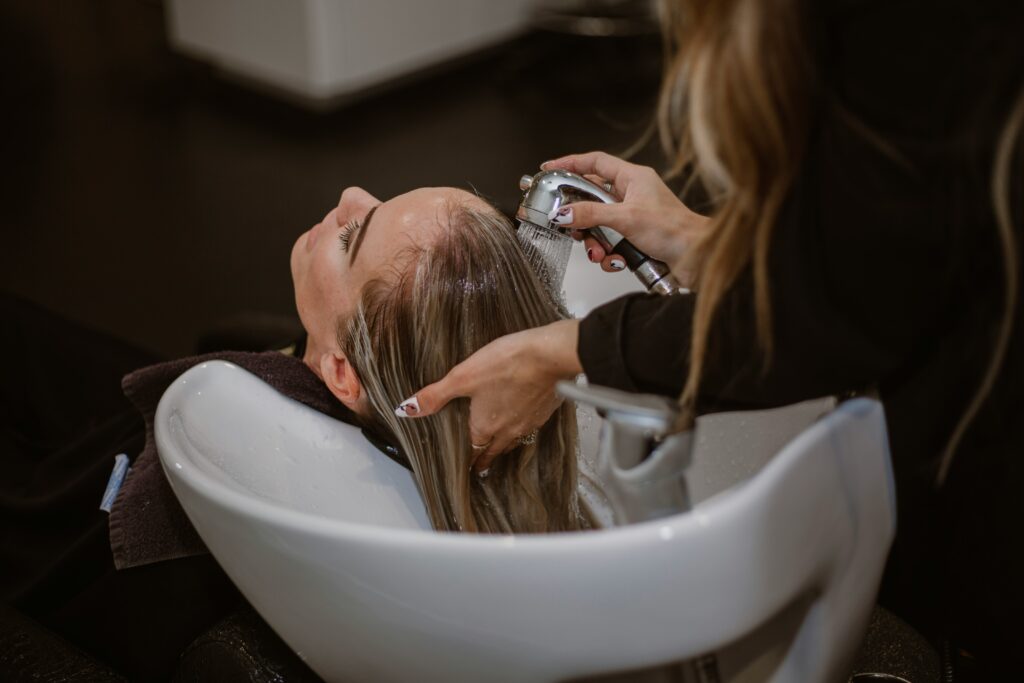
The digital age is a double-edged sword, especially when it comes to beauty advice. A quick search on YouTube or a scroll through a beauty blog can yield a million different “pro tips,” from mastering the perfect winged eyeliner to hacking your way to faster hair growth. While a misguided makeup tutorial might lead to a smudged mess, bad hair advice can have consequences that linger for months, even years. The health of your hair is a long-term investment, and one of the most critical, yet misunderstood, phases of hair care is how we treat our hair when it’s at its most vulnerable: when it’s wet.
Hair is a complex structure, primarily made of a protein called keratin, which is arranged in overlapping scales called the cuticle. When hair is saturated with water, it undergoes a profound physical change. The cortex—the inner layer of the hair shaft—swells with moisture, causing the protective cuticle scales to lift and open. In this state, your hair is extraordinarily elastic but also incredibly fragile, much like a saturated piece of silk. It is more prone to stretching, and when force is applied, that stretch can lead to permanent breakage rather than a return to its original form.
This guide isn’t about inducing guilt over common habits; it’s about empowerment through education. We will dissect the seven most common “wet hair sins”—practices often glamorized online that can quietly sabotage your hair’s health. By understanding the science behind the damage, you can transform your routine and protect your strands from the inside out.
Sin #1: The Heat Betrayal – Straightening or Curling Wet Hair
This is perhaps the most dangerous and damaging sin of all. The logic seems sound: wet hair is more pliable, so it should be easier to mold into a sleek, straight style or defined curl, right? Tragically, this is a catastrophic misconception.
The Science of the Sin: When you apply high heat from a flat iron or curling wand to a waterlogged hair strand, the water trapped inside the cortex heats up rapidly and expands, turning into steam. This creates microscopic bubbles within the hair shaft, permanently weakening the protein structure. The result is a phenomenon known as “bubble hair”—a form of damage where the hair becomes brittle, foamy in appearance under a microscope, and snaps off with ease. You are essentially cooking your hair from the inside out.
The Path to Redemption: The rule is absolute and allows no exceptions: heat styling tools should only ever be applied to hair that is 100% completely dry. This includes hair that is merely “damp” or “towel-dried.” Even the residual moisture left after blotting with a towel is enough to cause this internal steam explosion. For sleek styles, always blow-dry thoroughly first. For curly styles, allow hair to air-dry completely or use a diffuser until no dampness remains.
Sin #2: The Tangle Trap – Combing Without a Strategy
Many of us were taught to comb our hair in the shower, slathered in conditioner, believing it’s the gentlest way to ease out knots. While conditioner provides slip, the act of dragging a comb through the entire length of saturated, weakened hair is a recipe for breakage.
The Science of the Sin: As mentioned, wet hair is stretched and fragile. When you encounter a knot and pull through it, the stretched hair fibers are more likely to snap than the knot is to gently unravel. You’re not so much “detangling” as you are “breaking tangles,” and each snap represents a fractured hair shaft.
The Path to Redemption: The golden rule of detangling is to start when your hair is dry. Before you even step into the shower, use a wide-tooth comb or a specialized detangling brush to gently work through any knots, starting from the very tips and gradually moving up towards the roots. This removes the major snarls before your hair enters its vulnerable state. If new tangles form during shampooing, that leads us to the next, more nuanced sin.
Sin #3: The Wrong Arsenal – Using the Wrong Tools on Wet Hair
Not all combs and brushes are created equal, and using the wrong tool is a surefire way to shred your cuticle.
The Science of the Sin: Fine-toothed combs, paddle brushes with rigid plastic bristles, or brushes with balled tips designed for dry hair will catch, snag, and tear through the lifted cuticle of wet hair. This causes mechanical weathering, leaving the hair frayed, frizzy, and dull.
The Path to Redemption: If you must detangle in the shower after applying conditioner, your tool kit is specific. A wide-tooth comb is your best ally, as it gently glides through sections without forcing hair together. Alternatively, invest in a flexible “wet brush” or Tangle Teezer-style brush designed with soft, flexible bristles that bend against resistance, preventing tugging and distributing conditioner evenly. These tools are designed to work with the fragility of wet hair, not against it.
Sin #4: The Brute Force – Aggressive Brushing
This sin is an extension of the previous two, but it deserves its own spotlight. It’s the “get it over with” mentality that does the most harm.
The Science of the Sin: Yanking a brush from your roots to your ends in long, aggressive strokes puts immense tension on the hair shaft. When wet, the hair’s elastic limit is lower, meaning it will stretch to a point of no return and break. You are physically tearing the hair apart.
The Path to Redemption: Patience is not just a virtue; it’s a hair-saving technique. Always detangle in small sections. Hold the hair just above the section you are working on to absorb the tension, preventing it from pulling at the delicate roots. Work from the ends upwards, inch by inch, gently releasing knots before moving higher. Your hair is not an enemy to be conquered; it is a delicate fabric to be cared for.
Sin #5: The Friction Fiasco – Rough Towel Drying
You step out of the shower, grab your trusty terry cloth towel, and vigorously rub your hair dry. It’s a common ritual, but for your hair, it’s a torture test.
The Science of the Sin: The rough, textured loops of a standard bath towel create immense friction against the lifted and vulnerable hair cuticle. This roughs up the cuticle scales, creating frizz, encouraging split ends, and causing mechanical breakage. For curly hair, this practice single-handedly destroys curl definition and creates a halo of frizz.
The Path to Redemption: Treat your wet hair like precious silk. Ditch the terry cloth and adopt a gentle blotting technique. Use a soft, microfiber towel or an old cotton t-shirt—both are much smoother and create less friction. Gently squeeze sections of your hair to absorb water, or wrap it up in a plop and let the fabric absorb the moisture without any rubbing at all.
Sin #6: The Impatience Penalty – Styling on Damp Hair
You’re in a hurry, and your hair is 90% dry. Surely a quick pass with the flat iron on that one section won’t hurt? This sin is a close cousin to Sin #1 and just as damaging.
The Science of the Sin: “Damp” is not “dry.” Any residual moisture trapped in the hair shaft is still susceptible to the “bubble hair” effect from hot tools. Furthermore, styling products like leave-in conditioners or creams can create a deceptively cool, dry feel on the surface while moisture remains trapped beneath.
The Path to Redemption: When in doubt, wait it out. Always do a final check before applying heat. Feel your hair closely, particularly the layers underneath and at the nape of your neck, which often dry last. Ensure there is no coolness or dampness whatsoever. It is far better to leave the house with air-dried hair than to have broken, heat-damaged hair that won’t grow.
Sin #7: The Tension Trauma – Tight Hairstyles on Wet Hair
Slicking soaking-wet hair back into a tight ponytail, bun, or braid seems like a quick and easy solution for a busy day. However, this practice combines all the dangers of wet hair with the destructive force of traction.
The Science of the Sin: As wet hair dries, it contracts. If it is pulled taut and secured into a style, it contracts against the tension of the hair tie, putting immense stress on the follicles, especially around the fragile hairline. This is a primary cause of traction alopecia, a form of permanent hair loss caused by chronic pulling. The combination of fragility and tension is a perfect storm for breakage.
The Path to Redemption: Always allow your hair to be completely or mostly dry before putting it up in any style that involves tension. If you need to manage your hair while it dries, opt for the loosest possible braid or a clip that doesn’t pull, and re-adjust it once your hair is dry.
The Path to Hair Redemption: A New Covenant with Your Curls
Breaking these seven wet hair sins doesn’t require a complete lifestyle overhaul, just a shift in mindfulness. Your hair is at its most defenseless when wet, and it deserves a routine built on gentleness and patience, not haste and force. By air-drying or blow-drying thoroughly before heat styling, detangling with the right tools and technique, drying with a soft touch, and saving styled updos for dry hair, you are not just avoiding damage—you are actively investing in the long-term strength, shine, and resilience of your hair.
Embrace this new covenant with your curls, waves, or straight strands. The health you preserve today is the length and vitality you will enjoy for years to come.